
Estimated Reading Time: 7 minutes
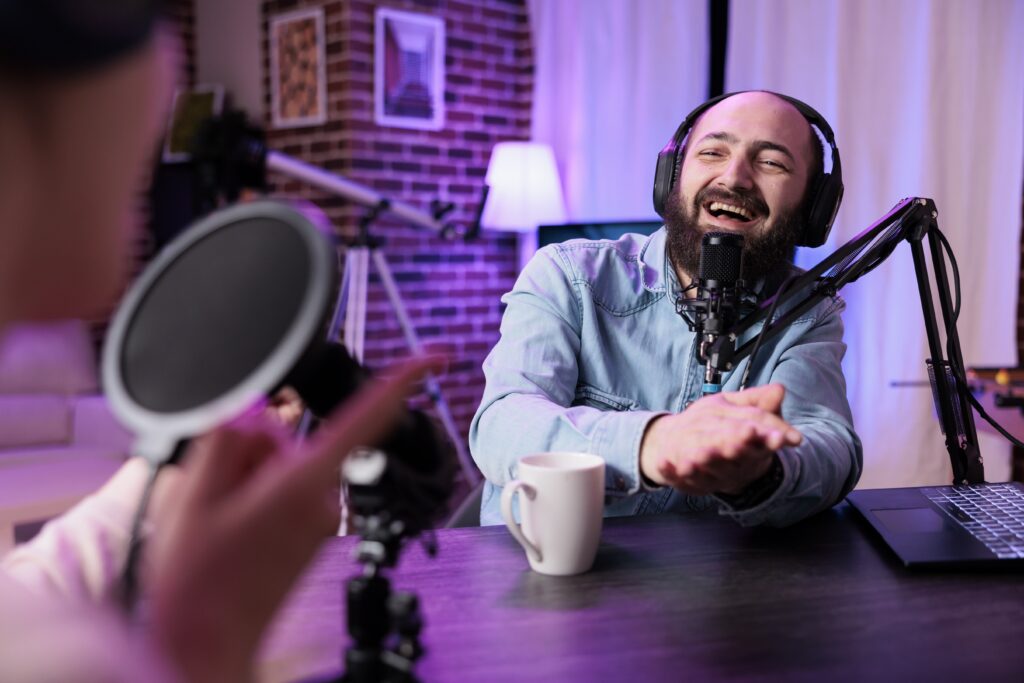
Picture a quiet Tuesday night at a great local bistro. The lighting is perfect, and the signature truffle pasta is flawless, yet half the tables are empty.
Three miles away, a diner spots a 15-second video of that exact dish on her phone, posted by a trusted local creator. She hits “Share,” sends it to her group chat, and by Friday night, that quiet bistro has a waitlist out the door.
This isn’t luck; it’s just the reality of dining discovery in 2026.
The “front door” of your restaurant is no longer just on a physical street, but also on the six-inch screen on a hungry customer’s hand. Traditional word-of-mouth has evolved into viral broadcasts, making influencer marketing for restaurants a mandatory growth engine rather than just another trendy experiment.
Even so, many restaurant owners remain paralyzed by budget anxiety, wondering if influencer campaigns actually bring in paying customers or just people looking for a free meal. This guide removes the guesswork; we’ll show you how to shift your strategy from “buying fame” to “building trust,” giving you a clear, step-by-step playbook to turn digital buzz into predictable, long-term revenue.
The New Word of Mouth: Why Influencers Matter
Let’s be honest, when was the last time you booked a table because you saw a billboard? Or a glossy magazine ad?
For modern diners, traditional ads are usually expensive wallpaper. Restaurants used to survive on the slow burn of traditional “word of mouth.” You served a great meal, crossed your fingers, and hoped one guest told another.
But today, that intimate recommendation between friends hasn’t disappeared; it’s just been strapped to a rocket. Influencers have digitized word of mouth by turning a single glowing review into a public broadcast seen by thousands of hungry locals in a matter of hours.
If you’re still wondering why influencer marketing is the most powerful tool in the modern F&B marketing arsenal, consider these:
The Death of the “Sales Pitch”
Modern consumers (especially Gen Z and Millennials) have a built-in radar for corporate spins. They instinctively skip YouTube commercials. They scroll blindly past sponsored banners.
But here is the fascinating part: they lean in when their favorite creator speaks.
Why? Because an influencer’s recommendation doesn’t feel like a sales pitch. It feels like a secret being shared by a trusted friend. You aren’t buying an ad; you are borrowing their credibility.
You Can’t Taste a Billboard
Food is pure emotion. It is sensory. A static photo on a menu barely scratches the surface.
But a crisp, 15-second video of a fork cracking the caramelized shell of a crème brûlée? The sound of a sizzling steak hitting the table? That makes mouths water. It allows your future guest to virtually experience the lighting, the vibe, and the plating. It entirely removes the “risk” of trying a new place, making the decision to book a table completely effortless.
Laser-Targeted Craving
Think about traditional advertising. You throw money at the wall, show your ad to everyone in a five-mile radius, and pray that a fraction of them happen to be hungry.
Now, imagine a different scenario. What if you could whisper directly into the ears of 15,000 local vegans exactly when they are planning their Friday night out? Or 20,000 fine-dining enthusiasts looking for an anniversary spot?
Influencers allow you to niche down with surgical precision. You are no longer talking to the masses; you are talking exclusively to your people.
The Proof is in the Profits
Understanding the theory behind digital word of mouth is one thing. But as a business owner, theory might not be your first thought. Cash flow comes more naturally.
You don’t have to simply imagine the financial impact of a perfectly executed influencer campaign; the proof is already sitting in the cash registers of the brands that got there first. We already know the sheer, terrifying power of visibility. Just look at the prime example of when Blackpink’s Lisa casually posted a photo of a Labubu plush toy. It caused a domino effect which led to a buying frenzy that sold out stores globally in mere hours.
But how do you translate that kind of massive cultural influence into actual, trackable restaurant sales? Let’s look at how some smart operators are turning fleeting digital buzz into undeniable bottom-line success:
1. The Viral Signature: Dunkin’ x Charli D’Amelio
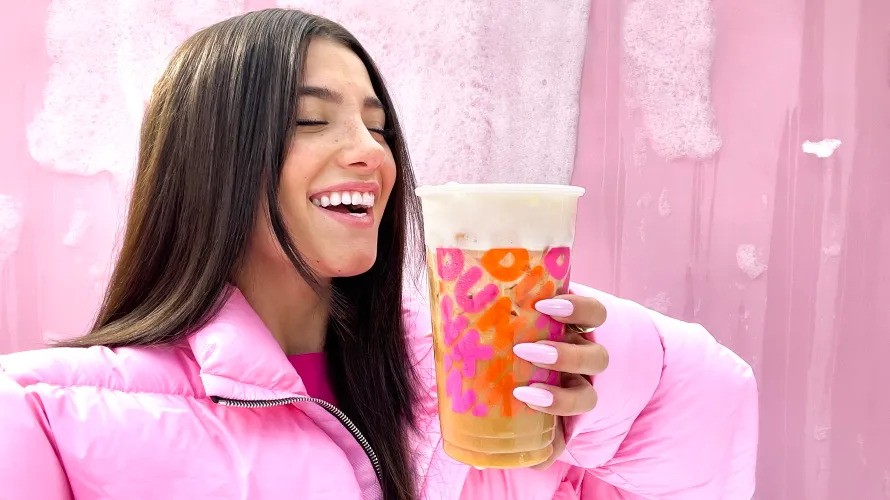
At the highest tier of influence, a brilliant campaign doesn’t just generate awareness. It actually changes the consumers’ habits.
Take Dunkin’ for example. They could have just paid mega-influencer Charli D’Amelio to hold a coffee cup and smile for the camera. That’s what a lot of brands would’ve done. But Dunkin’ understood something much deeper about modern influence.
They didn’t just borrow her face; they borrowed her routine.
They officially added her exact, everyday order to their national menu: a cold brew with whole milk and three pumps of caramel swirl, and simply called it “The Charli.” The result was a staggering 57% surge in app downloads on the day of the launch, with sales for all cold brews shooting up by 20%.
They went beyond just selling a beverage; they gave millions of highly engaged fans a way to physically participate in their favorite creator’s daily life.
Key takeaway: Give your customers a physical reason to be there, you don’t need a global superstar with millions of followers to pull this off. Find a beloved local creator and ask them for their ultimate “hack” or favorite off-menu combination at your restaurant.
2. The Strategic Pivot: Pho’s “Go Pho It” Campaign
One of the most common traps a restaurant owner can fall into is assuming they must only work with food bloggers.
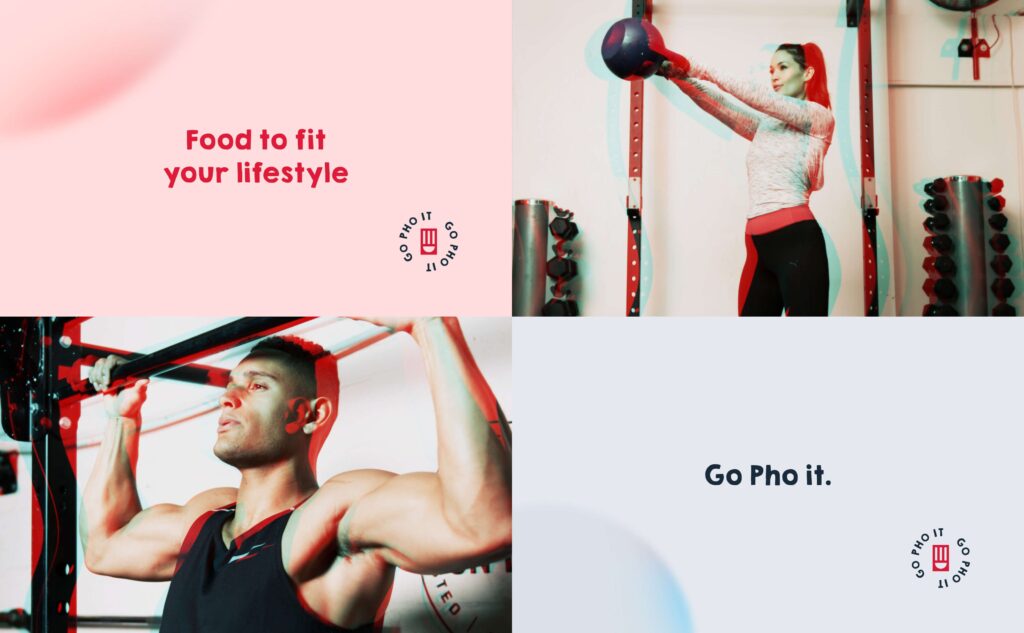
Pho UK’s “Go Pho it” Campaign
Let’s take a look at Pho, a Vietnamese street food brand in the UK. They were facing the dreaded January slump. Consumers were tightening their belts, starting new diets, and aggressively avoiding dining out. Most restaurants would panic and hire the same five tired food critics to drum up business.
But with the help of Ignited, they did something brilliant, they completely ignored the foodies.
They executed a massive pivot for their influencer marketing campaign, partnering exclusively with a crew of fitness, wellness, and yoga influencers to create a campaign specifically around healthy lifestyle choices. They ended up reaching an entirely new demographic.
That campaign ended up bringing a 7% year-on-year sales uplift during the toughest month of the year, with digital landing pages achieving a staggering 40% conversion rate for menu views and bookings.
They completely flipped the script, positioning their menu as the ultimate post-workout recovery tool and selling a restorative lifestyle that their competitors hadn’t even noticed.
Key takeaway: Every single one of your competitors is trying to hire the same local food bloggers. Try to target more specific audiences for your restaurant. If you run a great brunch spot, consider partnering with local “mom bloggers.” If you serve high-protein meals, partner with gym owners. Targeting adjacent lifestyles allows you to capture an entirely new, untapped audience that your competitors are completely blind to.
3. The Data-Driven Approach: Sushi by Bou
If your goal is immediate, physical foot traffic, then it’s best to put your ego aside. Sheer volume beats celebrity endorsement every single time.
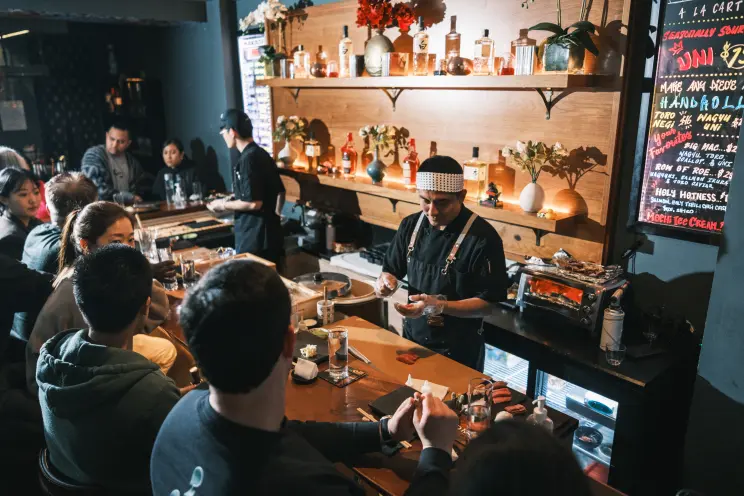
The US-based omakase chain Sushi by Bou wanted to drive reservations. Instead of writing a five-figure check for a single post from a mega-celebrity, they partnered with the influencer platform Mustard for their influencer marketing campaign and booked 125 different micro-influencers within a tightly condensed time frame.
They carpet-bombed the local social media feeds with authentic, diverse video content. Because these creators were local, their followers were actually in the neighborhood, not three time zones away. In the end, the campaign generated over 1.1 million video plays and delivered a verified 3x ROI in just 90 days.
But here’s the biggest statistic from it; 9 out of 10 guests driven by the campaign were first-time diners.
Key takeaway: A celebrity with two million followers might get you a ton of likes, but if those followers live in another country, they can’t buy your food. Ten local influencers with 10,000 followers each will drive significantly more actual, paying customers through your front door. Spreading your budget across multiple local voices will help create that inescapable feeling that “everyone in town is talking about this place.”
Who Should You Actually Be Working With?
Let’s kill a dangerous myth right now: follower count is a vanity metric.
When restaurant owners first dip their toes into this world, they almost always suffer from “follower blindness.” They hunt down the creator with the absolute biggest number next to their name, assuming that a massive audience automatically guarantees a packed dining room.
Paying for sheer reach is like dropping a million restaurant flyers out of an airplane; most of them are just going to land in the ocean. In the local F&B industry, you don’t need the loudest megaphone, you need the most trusted voice.
To maximize your ROI and stop wasting your influencer marketing budget on empty “likes,” you must understand how the modern creator ecosystem is divided, and ruthlessly target the exact right tier of influence:
- Mega & Macro-Influencers (100k+ Followers): These are the household names and regional celebrities; great for global brands launching a new sneaker, but a vanity trap for a small restaurant. You’ll probably end up getting charged astronomical fees for an audience that’s too geographically dispersed to guarantee consistent foot traffic to your area.
- Micro-Influencers (10k–100k Followers): This is the golden tier for F&B. These local tastemakers are viewed as trusted peers. Because their audience is highly localized, they don’t just generate “likes”, they drive actual local reservations.
- Nano-Influencers (<10k Followers): These are everyday locals; the neighborhood mom, the gym owner, the office extrovert. Their engagement rates absolutely destroy those of mega-celebrities because their followers are actual friends and family, yielding the most authentic, high-converting trust money can buy.
The Connectors: Easing the Process
At this point, you are probably thinking: “This sounds great! But I run a restaurant. I don’t have twenty hours a week to sit on my phone and send direct messages to local influencers.”
You shouldn’t. The industry has evolved past the manual grind.
To execute a well-performing influencer marketing campaign like the ones we’ve discussed, smart operators use “connectors”; digital marketplaces like Ittify, TRIBE, and Upfluence. Instead of hunting for creators, you simply post a campaign “brief” on the platform, and vetted creators apply to work with you. The platform will then handle the contracts, communication, and analytics for you.
Look at the Anchor Burnt Cheesecake Challenge in Malaysia. They didn’t waste their budget on a single celebrity endorsement. Instead, they used a connector platform like Ittify to mobilize dozens of local micro-influencers and home-bakers to post their cheesecake creations simultaneously.
By automating the outreach, they flooded local social media feeds over a single weekend. It didn’t look like a paid advertisement; it looked like an unstoppable cultural trend. That is the power of the modern influencer ecosystem: when you use the right tools to activate the right local voices, you’ll end up dominating the conversation.
The Small Restaurant Playbook
If you are an independent operator reading this, you are probably looking at your profit margins and asking one very valid question: “Should I really be investing in influencer marketing when my cash flow is already this tight?”
The short answer is yes. The long answer requires a complete shift in how you view this expense. When you partner with the right local creators, you aren’t buying a megaphone; you are buying trust. You are buying high-quality, reusable video assets and a direct line to the exact demographic that lives within a five-mile radius of your kitchen.
You do not need a corporate budget to win at influencer marketing, just a smarter playbook. Here are the high-impact, low-cost strategies designed specifically for independent operators.
The “Trade” Model: High ROI, Low Cash Outlay
The most affordable influencer marketing strategy for a small restaurant doesn’t involve wiring thousands of dollars to a talent agency. It relies on Nano-influencers and the “Trade” model.
Instead of paying a cash fee, you offer a “Complimentary Tasting Experience.” Think about the economics of this: for a restaurant, the Cost of Goods Sold (COGS) for a meal is a fraction of its retail price. Trading a $25 food cost for a dedicated, authentic video review from a local creator with 4,000 highly engaged neighborhood followers is the single most cost-effective marketing spend available to you.
The Art of the Invitation
A massive hurdle for small business owners is the outreach itself. They worry about sounding desperate or overly corporate. The secret? Stop acting like a marketer and start acting more like a host.
Avoid sending a rigid, copy-pasted “campaign brief” demanding three posts and two stories. Move away from a transactional tone and send a personal, no-pressure invitation focused strictly on a tasting experience, such as:
“Hi [Creator Name]! We love your page and how you highlight local neighborhood spots. We’re launching a new seasonal menu at [Your Restaurant] next week and would love to host you and a plus-one for a complimentary tasting. No strings attached, and no pressure to post. We simply respect your palate and want you to experience what we are building. Let us know if you are free this Thursday!”
By removing the requirement to post, you paradoxically increase the chances of a glowing review. The creator feels treated like a VIP rather than a hired billboard.
Menu Engineering for Social Media
Before you invite an influencer, you must ensure your product is inherently shareable. You need to engineer “Hero Dishes” that demand to be filmed.
Take a page from MyBurgerLab, who built massive online hype through highly visual, playful items like their signature smashburgers. Or look at Boat Noodle, who turned the simple act of eating into a viral challenge by encouraging diners to stack as many empty noodle bowls as possible on their table. You don’t just want to serve dinner; you want to serve an activity. Add an element of table-side theater to one specific dish; a sauce pour, a flambé, or a striking color contrast. Give the camera something to look at.
Instagrammability as a Function
Finally, evaluate your space. “Instagrammability” is no longer a vanity metric; it is a functional business requirement for your restaurant.
You do not need a million-dollar renovation, but you do need to eliminate friction for content creators. Take inspiration from the immersive, hyper-floral ceilings of Mary Jane in KL, or the textured, nautical aesthetic of Lamia Fish Market in NYC. Even on a tight budget, adding a warm neon sign, an interesting table texture for “flat-lay” photography, or simply ensuring your overhead lighting doesn’t cast harsh shadows can drastically improve the quality of the content produced in your venue.
In short, Instagrammability is the insurance policy on your influencer marketing campaign. It ensures that when the cameras start rolling, your restaurant looks like the absolute best place in town to be.
The Spark and the Flame: Turning Views into Value
You’ve engineered the menu, invited the right local creators, and the algorithm did its job. And now you’ve got a line outside your door on a midweek night.
You’ve won, right? Not exactly.
Influencer marketing is just the “Spark.” It gets eyes on your brand and bodies in your seats. But your daily operation (your service, your consistency, and the actual taste of the food) are the “Flame.” A viral video can light the match, but it cannot keep the fire going.
If that first-time diner pays their bill and leaves without being captured into a digital loyalty program, you have left money on the table. You paid for their attention once, and without a retention strategy, that attention will fade fast and you’ll have to pay for it again.
But if you turn that one-time visitor into a regular who receives automated incentives to return, only then have you officially mastered the modern influencer marketing ecosystem.
Your Quick-Action Playbook
If you are ready to stop watching your competitors win the digital word-of-mouth game and start filling your own dining room, use this cheat sheet to overcome the most common F&B marketing roadblocks:
| Challenge | Budget-Friendly Solution |
| No Marketing Budget | Offer complimentary tasting experiences to local Nano-influencers instead of paying cash fees |
| Boring Presentation | Add an element of table-side “theater” or a striking color pop to at least one signature dish |
| Low Trust | Invite a trusted creator to tap into a new demographic |
| Busy Schedule | Use platforms like Ittify, TRIBE, or Upfluence to assist with influencer outreach |
Stop letting viral traffic walk out the door.
SimpleLoyalty gives you the digital tools to seamlessly capture that critical first-visit data and turn one-time guests into lifelong regulars. Stop paying for the same attention twice. Build your rewards program with SimpleLoyalty, and keep your dining room full long after the digital buzz fades.